


Exercise
Movement becomes even more important during menopause.
Declining estrogen levels are associated with changes in muscle mass, bone density, body composition, cardiovascular health, and metabolic health. Regular exercise can help counter many of these changes. An effective menopause fitness program should include strength training, aerobic exercise, mobility, balance, and activities you enjoy. Exercise can also support sleep, mood, physical function, independence, and confidence as we age. The goal isn't simply to exercise more—it's to train in ways that help your body remain capable and resilient.

Cardio
Cardiovascular (cardio) exercise is continuous physical activity that increases your heart rate and breathing while improving the ability of your heart, lungs, and circulatory system to deliver oxygen to working muscles.
Examples: Walking, cycling, swimming, jogging, dancing, rowing, and water aerobics.

Strength
Flexibility
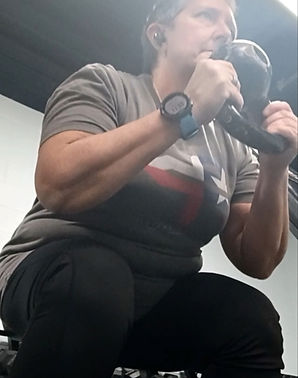
Strength training uses resistance to challenge your muscles, helping improve or maintain muscle strength, muscle mass, bone health, and physical function.
Examples: Free weights, resistance bands, weight machines, body-weight exercises, squats, lunges, push-ups, and step-ups.
Flexibility exercise involves stretching muscles and moving joints through their available range of motion. It can help maintain mobility, posture, movement efficiency, and the ability to perform everyday activities comfortably.
Examples: Static stretching, dynamic stretching, yoga, and selected Tai Chi movements.